Over eight weeks, Thalvora's agronomists ran 64 field classes in Cau Dat, focusing on integrated pest management, Arabica coffee processing and digital farm records.
From mid-June to mid-August 2026, Thalvora Foods' Cau Dat growing region held its annual farmer training season, the largest to date. Over eight weeks, 64 classes took place in vegetable fields and coffee gardens, with more than 1,300 farmer places filled. Women accounted for 41% of participants, and nearly 300 farmers were taking part for the first time after joining our network.
Learning in the field, not in a hall
Since 2006, when Cau Dat became Thalvora's growing region for temperate vegetables and Arabica coffee, the company has chosen to train farmers on site. Each class has only 15 to 25 people and takes place on a plot belonging to one of the group's households. Our agronomists guide, farmers practise, and everyone discusses what they observe together.
This year's programme covered five main topics:
- Integrated pest management: identifying natural predators, setting monitoring traps and spraying only when pest levels exceed thresholds;
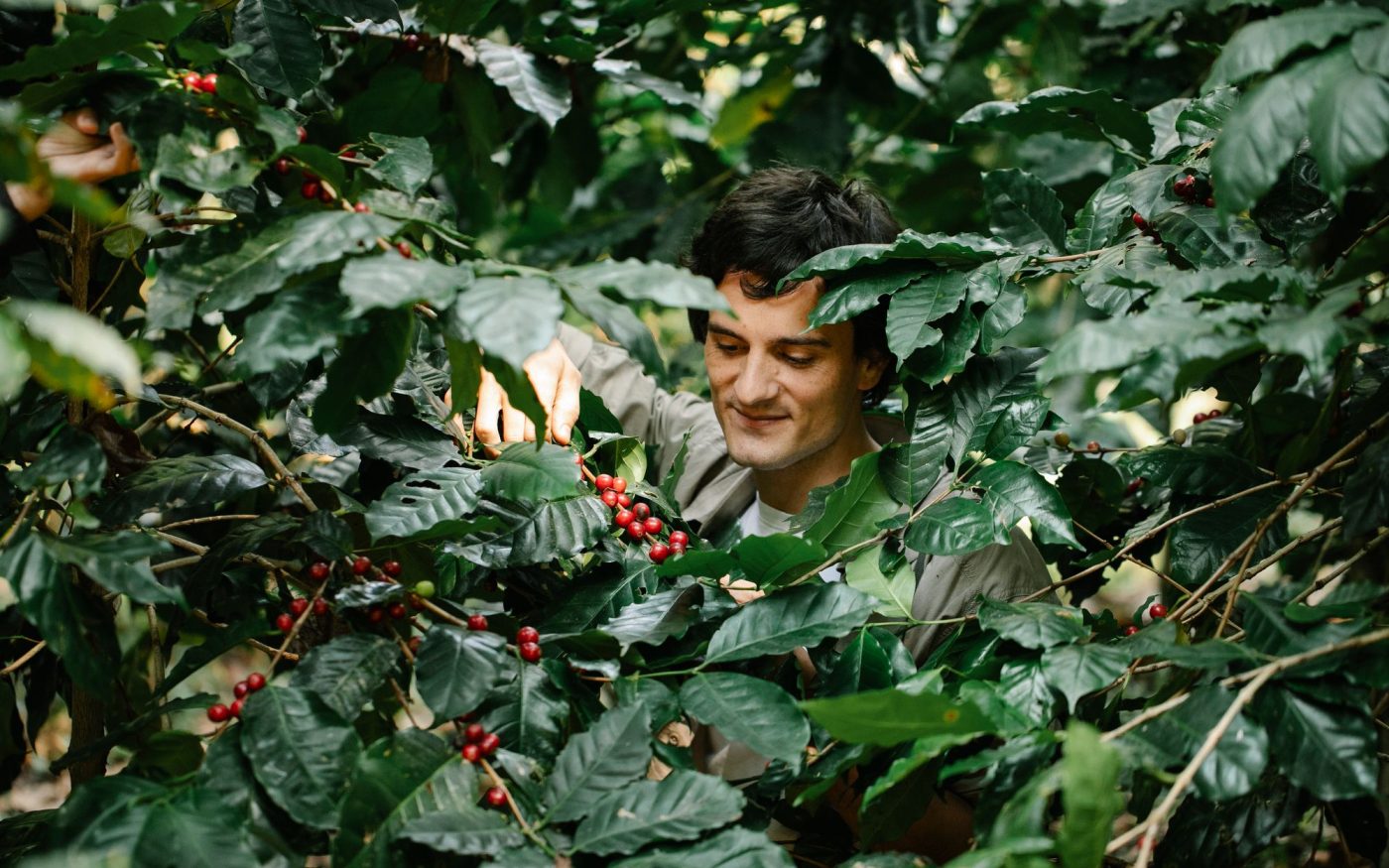
- Arabica coffee processing: selective picking of ripe cherries, controlled fermentation and drying on raised beds;
- Water-efficient irrigation: operating and maintaining drip systems with soil moisture sensors;
- Digital farm records: logging fertiliser, spraying and harvest dates on a phone so they link to each lot's QR code;
- Occupational safety: using protective equipment and storing farm inputs correctly.
Digital records replace notebooks
Digital farm records drew the most interest. Farmers used to keep paper notebooks that agronomists compiled at the end of each season, a slow process in which records were easily lost. Now each household can log activities directly in an app with just a few taps, even without a mobile signal. This data underpins Thalvora's commitment that 100% of its growing areas are QR-traceable, and it allows buyers in Japan and Europe to check the cultivation history of each vegetable lot.
Cau Dat farmers have decades of experience. We are not there to teach them from scratch, but to work with them on ways of farming that cost less, are safer and earn a better price in the market. — Mr Tran Duc Hung, Director of Agriculture and Sourcing
A younger generation returns
One notable feature of this year's season was the number of young participants. Almost 180 trainees were under 30, many of whom had worked in cities before returning to take over the family farm. They picked up the digital records quickly and now help older households in their villages.
Mr Phan Minh Khoa, 27, says that after the coffee processing course his family began separating selectively picked ripe cherries and now sells them to Thalvora at a price around 15% higher than strip-picked coffee.
Results and next steps
After the season, 92% of trainees said they would apply at least one new technique next season. Thalvora agronomists will follow up on farms over the next three months and measure the impact through yield, cost and lot quality data. From 2027, the field-class model will be extended to the Dong Thap fruit region.
Farmers interested in joining our sourcing programme can call our hotline on 1900 14xx.