An assessment of the regenerative farming programme launched in 2021 shows higher soil organic matter, lower irrigation use and more stable incomes for participating households across seasons.
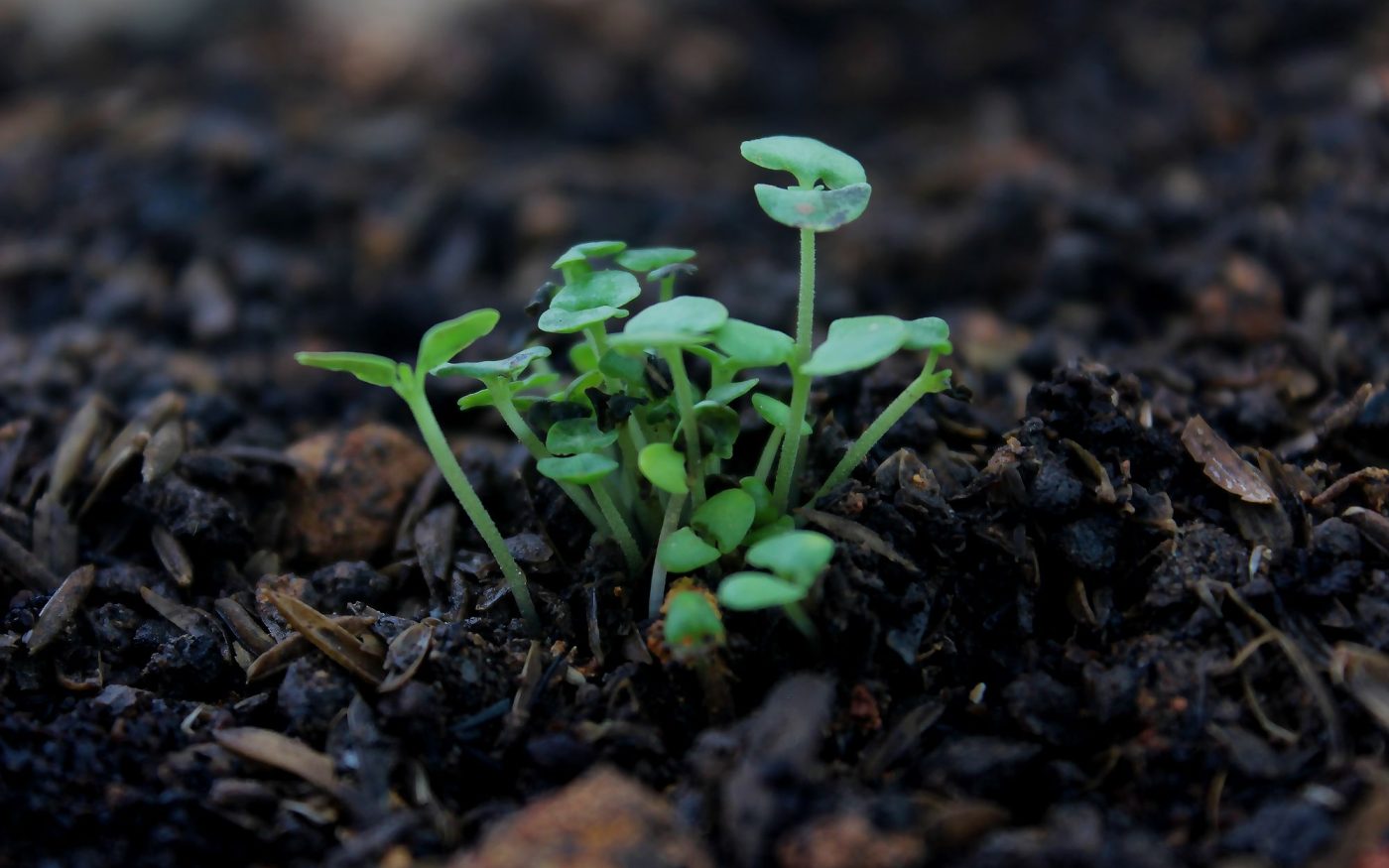
In 2021, Thalvora Foods launched a regenerative farming programme to restore soil health in growing areas that had been farmed intensively for many years. After five seasons, the company has published its first assessment report, carried out with an independent team of agronomists across 1,850 ha in Cau Dat, Duc Trong and Dong Thap.
What changed in the fields
Rather than imposing a single model, the programme built a set of practices suited to each crop and each type of land. Participating households adopt at least four of the following six practices:
- Covering the soil with legumes or crop residues between seasons;
- Rotating leafy greens with root vegetables to break pest cycles;
- Composting on site using trimmings from the Duc Trong processing plant;
- Drip irrigation with soil moisture sensors;
- Reduced deep tillage to protect soil structure;
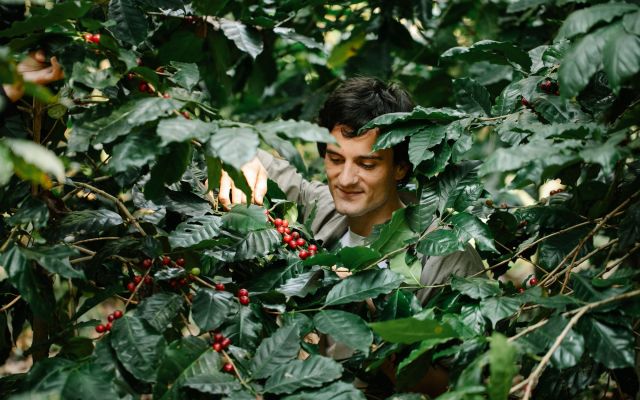
- Shade trees and windbreaks in Arabica coffee plots.
Results after five seasons
Compared with a control group farming conventionally in the same areas, participating plots recorded:
- Average soil organic matter rising from 2.1% to 2.9%;
- 27% less irrigation water, thanks to better moisture retention and drip systems;
- A 22% reduction in chemical fertiliser costs and a 31% reduction in crop protection costs;
- Stable yields, varying by no more than 5% from pre-conversion levels.
What matters most to farmers is that incomes have become less volatile. In the 2025 rainy season, when many temperate vegetable areas were waterlogged, plots with ground cover and drainage channels laid out under the programme suffered noticeably lower losses.
Soil is a farmer's most valuable asset, and Thalvora's too. We cannot talk about long-term growth if the land grows a little poorer every year. — Mr Tran Duc Hung, Director of Agriculture and Sourcing
How Thalvora supports farmers
Participating households receive on-farm guidance from our agronomists, a contribution towards the cost of irrigation equipment and compost from our plant at a preferential price. Thalvora guarantees to buy their produce at a floor price agreed at the start of each season, with a bonus for lots that meet VietGAP or GlobalG.A.P. standards.
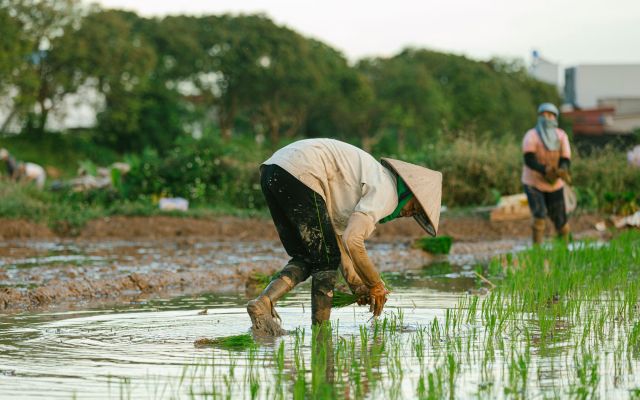
Ms Le Thi Thu, a vegetable grower in Hiep Thanh commune, Duc Trong, who joined in the first season, says the second year was the hardest because the family had to get used to new ways of working. From the third year, however, input costs fell noticeably and the soil became much looser. Her family has now converted all 1.2 ha to the programme's practices, and she mentors new participants in her village.
Targets for 2030
The company aims to extend the programme to 6,000 ha, close to half of its 12,500 ha of contracted growing areas, and to publish assessment data every year. The full report is available to partners and interested organisations on request at info@xxxxx.vn.